 Sign in with Steam
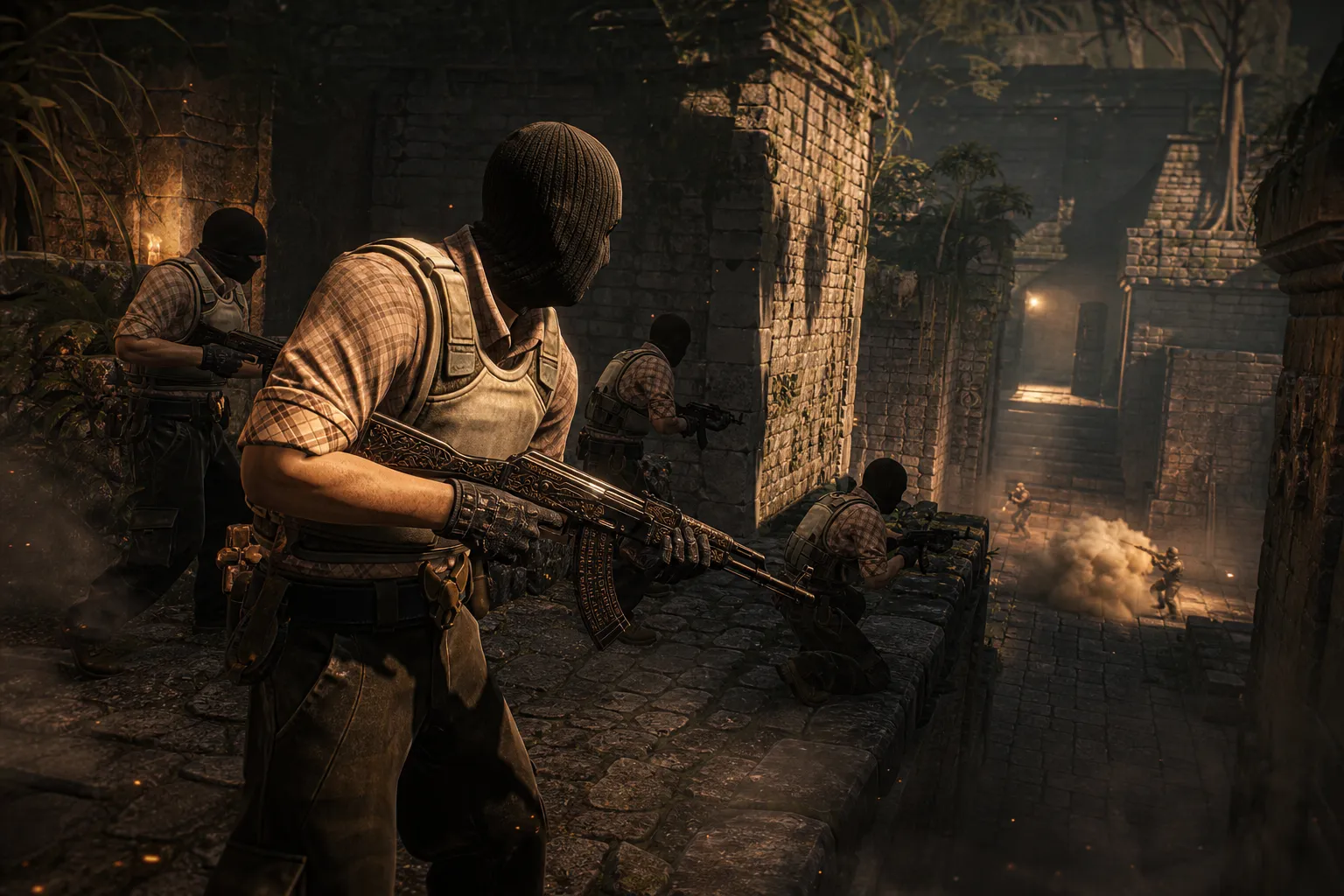
Nothing tilts a good Ancient T side faster than watching your team run straight B three rounds in a row, get molly’d off Cave, and still queue up the same doomed exec on round four. Ancient punishes autopilot harder than almost any map in the pool. It’s Source 2 CS2, subtick and all, but the old truth still holds: if CTs know exactly where you’re going, they’ll stack nades, rotate early, and make your 3,200-loss-round feel like a charity donation.
The real Ancient T side isn’t about “winning B.” It’s about making CTs hate every rotation they make. If you can pressure A Main, mid, and B in a way that keeps the defense guessing, the site hits start landing because they’re late, ugly, and miserable to stop.
Stop treating B like the only bombsite that exists
B on Ancient is sexy because the lane to Cave feels familiar and the post-plant positions are strong. You get that nice coffin-side crossfire, donut-style trades from Donut? No, wrong map — but you get the point. The issue is every half-decent team has the same anti-B setup by now: early cave molly, deep Banana-style control from cave and lane, an AWP holding ramp, and a rotator already halfway through mid before you’ve even left spawn.
If your entire T half is “smoke CT, flash lane, pray,” you’re not playing Ancient. You’re running a script CTs solved in Premier two weeks ago.
Ancient is all about conditioning. Show B pressure, yes, but don’t hard commit every time. Make the CTs burn utility and move their bodies. That’s where the round starts being yours.
Mid control is the actual round timer
Most Ancient teams that look decent on paper still lose because they ignore mid. That’s the mistake. Mid isn’t just a passage; it’s the map’s pressure valve. If you own mid, you can split A through Cave or wrap B through Donut side space, and CT rotations get awkward real fast.
You don’t need some heroic donk-style dry swing every round. Just get information and punish bad spacing. A good T Ancient round often starts with three players fighting for map control while the other two stay ready to explode off contact. A flash over mid wall, a smoke for cave vision, a jiggle from lane — that’s enough to make CTs spend utility early.
And utility matters because Ancient is one of those maps where losing one smoke can snowball into losing the whole round. A 300-dollar smoke that forces a CT to either give cave or burn a molly is a pretty good trade when your loss bonus is still only at $1,900 on the first round loss. CS2 economy isn’t subtle. If you’re making CTs rebuy their anchor utility, you’re already getting paid.
What good mid pressure actually looks like
- One player takes the opening duel or at least forces an AWP shot.
- Two players hold for the CT push or fast rotate.
- One lurk stays alive for 30+ seconds.
- The final player is ready to explode to A or B once a rotation shows.
That’s the part people skip. The lurk isn’t decoration. He’s the reason the CT with 45 HP in mid can’t just sprint back to B and save the round.
A site works when it feels late, not when it feels loud
A site on Ancient is one of the easiest places to break a defense if you don’t telegraph it. The obvious mistake is going all-in through A Main every time. That’s where CTs get comfy with molotovs, flashes, and a contact anchor who knows exactly when your team likes to hit. You need variation: sometimes split through mid, sometimes fake cave presence, sometimes just dry take space early and freeze the rotators in place.
The best A hits on Ancient usually feel messy for the defense. One or two players in Main, one coming through mid, maybe a lurk threatening the back line — now CTs have to choose between defending temple, pit, lane, and the bombsite itself. If that sounds impossible to clear, yeah, that’s the point.
Think about how pros approach it. ZywOo doesn’t need some huge highlight round every time; he takes small map wins and lets the round open up. M0NESY does the same on a different level — if he gets the CTs to respect one angle, the next 20 seconds are easier. Ancient rewards that patient, annoying kind of T side way more than it rewards brainless site hits.
Also, A site gets nastier once you’ve shown B twice. CTs start cheating to lane and cave. Then you hit A off one smoke and two flashes, and suddenly the “strong” defense looks like it’s guessing on an Inferno timeout clock.
B site is still good. Just don’t marry it.
Let’s be honest: B on Ancient is not the problem. The problem is bad timing. B is excellent when CTs are stretched thin, when cave is weak, or when your lurk has pinned a rotator near A. What you don’t want is the classic solo queue special — five players running lane because “we’ve got numbers,” then losing to one molly, one flash, and a guy swinging from site with a FAMAS and 0.7 seconds to spare.
A proper B round on Ancient should look like this: early pressure, maybe a pick attempt, then a quick decision based on utility and positioning. If CTs show a stacked cave setup, don’t force it. Pull out, hold mid, and come back later. The map gives you room to do that. Use it.
Here’s the kind of decision tree I actually want to see:
- CT utility dumped early? Hit B now.
- Cave anchor gets no help? Explode before the rotate.
- AWP posted deep lane? Reset and split elsewhere.
- Two players spotted mid? Don’t feed them a clean retake setup.
That’s not “playing scared.” That’s reading the round instead of donating it.
Lurks and fake pressure win more rounds than hero entries
If your T side on Ancient has no lurk, you’re making CT life too easy. One player holding back lane, A Main, or mid timing can completely ruin a rotation. A lurk doesn’t need three kills. Sometimes he just keeps a CT from moving for 15 seconds, and that’s enough to turn a 4v4 into a site take that feels free.
Good lurks on Ancient are usually boring. That’s why they work. No TikTok clips. No ego swings. Just silent pressure while the rest of the team makes noise elsewhere. The best teams at the Major level understand this well — watch a disciplined half from NAVI or FaZe and you’ll see how often the round gets won before the execute even starts.
Fake pressure matters too. Show cave presence. Toss a flash. Make noise near B. Then stop. Let the CT anchoring lane call for help, let the rotator step out of position, then hit the other side with actual numbers. If you keep making the defense spend brainpower every round, they stop having good reads and start having panic.
Ancient T side basics that actually matter
Some stuff on this map sounds obvious until you watch a Premier lobby ignore it and lose 13-7 while everyone types “team diff.”
- Keep at least one smoke for late-round lane or cave denial.
- Don’t take the same opening duel every round.
- Trade fast enough that the CT anchor can’t reset the fight.
- Save one flash for re-hit potential — Ancient loves awkward second hits.
- If you’re up 5v4, stop sprinting into the first bombsite you see.
The subtick stuff in CS2 makes some duels feel a little cleaner, but Ancient still comes down to spacing, timing, and not stacking five players in the same slice of map like you’re waiting for a photo. A decent team can win rounds here with basic protocol. A great team wins by making the CT side always feel one step behind.
That’s the actual answer to Ancient T side. Don’t force B every round. Make B a threat, turn mid into a problem, punish A when the rotations get lazy, and keep the CTs guessing until they crack. If your whole plan fits into “smoke, flash, B,” you’re not playing Ancient — you’re feeding it.